
Starting as a videographer can be overwhelming. With so many cameras, lenses, tripods, lights, and accessories on the market, it’s easy to feel lost. But the truth is, you don’t need every piece of gear to create high-quality videos. Understanding what’s essential for beginners will help you invest wisely, save money, and produce professional-looking content.
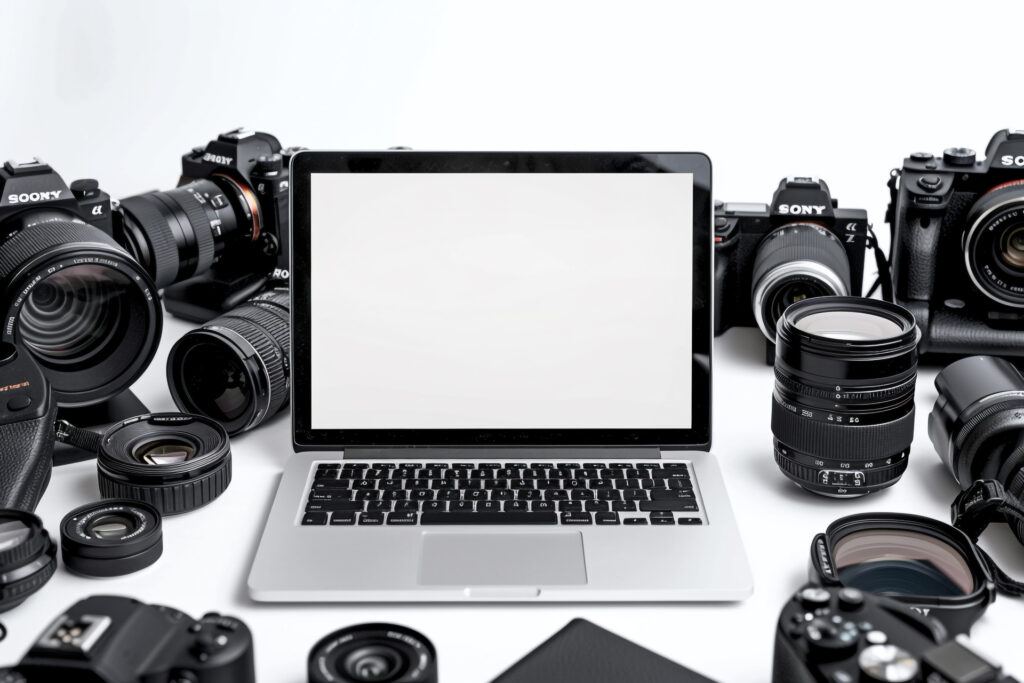
In this guide, we’ll cover the must-have camera gear for beginner videographers, explain their importance, and provide tips for choosing the best tools for your projects. Whether you’re filming YouTube videos, vlogs, or short films, this list ensures you’re prepared for smooth, creative video production.
1. Camera: The Core of Your Setup
The most critical piece of gear for any videographer is the camera. Your camera determines image quality, low-light performance, and creative flexibility.
Recommended Beginner Options:
- Mirrorless Cameras: Compact, lightweight, excellent video quality. Examples: Canon EOS M50, Sony α6400.
- DSLR Cameras: Great for interchangeable lenses and manual control. Examples: Nikon D5600, Canon Rebel series.
- Smartphones: Modern smartphones can shoot impressive video (1080p–4K) with proper stabilization.
Tips for Choosing a Camera:
- Ensure it supports Full HD (1080p) or 4K recording.
- Check frame rate options: 30 fps for standard video, 60 fps for smoother motion.
- Look for articulating screens for vlogging or self-filming.
- Consider microphone input capability for better audio.
2. Lenses: Capture the Scene Properly
The lens determines how your footage looks, affecting field of view, depth of field, and low-light performance.
Beginner Lens Recommendations:
- Kit Lenses: Typically 18-55mm f/3.5–5.6; versatile for wide and standard shots.
- Prime Lenses: Fixed focal length (e.g., 35mm f/1.8) offers sharp images and blurred backgrounds for cinematic effect.
- Wide-Angle Lenses: Ideal for vlogs, travel videos, and tight indoor spaces.
Tips:
- Start with one or two lenses before expanding.
- Avoid buying too many lenses too early—master your camera first.
3. Tripod or Stabilizer
Stable footage separates amateur-looking video from professional content.
Tripod Options:
- Standard Tripod: Essential for static shots, interviews, and time-lapses.
- Tabletop Tripod: Compact and perfect for desk setups or small cameras.
- Gimbal or Handheld Stabilizer: Smooths handheld motion, ideal for walking shots or vlogs.
Tips:
- Ensure the tripod or stabilizer can support your camera’s weight.
- Lightweight and portable options are best for travel videography.
4. Microphone: Clear Audio Matters
Video quality alone won’t make your content watchable if the audio is poor. Investing in a good microphone is critical.
Beginner Microphone Options:
- Shotgun Mic: Ideal for capturing dialogue in front of the camera.
- Lavalier Mic: Clip-on mic for interviews or talking-head videos.
- USB Microphone: Good for desktop recording or voiceovers.
Tips:
- Avoid built-in camera microphones—they pick up background noise.
- Always test audio before recording full videos.
5. Lighting Equipment
Even the best camera can’t fix poorly lit scenes. Proper lighting enhances your video quality dramatically.
Beginner Lighting Options:
- Ring Lights: Perfect for vloggers and face-focused videos.
- LED Panels: Adjustable brightness and color temperature, ideal for indoor shoots.
- Softboxes: Provide soft, even light for interviews or cinematic scenes.
Tips:
- Start with a 3-point lighting setup: key light, fill light, and backlight.
- Use diffusers to soften harsh light and reduce shadows.
6. Memory Cards and Storage
Video files are large, especially in 4K. Having fast, reliable memory cards and storage is essential.
Recommendations:
- SD Cards: Look for Class 10 or UHS-I/UHS-II cards for smooth recording.
- External Hard Drives: Store and back up footage to prevent data loss.
- Cloud Storage: Optional, for extra backup and remote access.
Tips:
- Always carry extra memory cards on shoots.
- Use multiple storage backups to safeguard your work.
7. Camera Bag and Protection
Carrying your gear safely prevents damage and keeps your equipment organized.
Recommended Features:
- Padded compartments for camera and lenses.
- Adjustable dividers for flexibility.
- Weather-resistant material for outdoor shoots.
Tips:
- Use lens caps and body caps when not in use.
- Keep microfiber cloths handy for cleaning lenses.
8. Optional Accessories for Beginners
While not strictly essential, these accessories improve convenience and versatility:
- ND Filters: Control exposure in bright outdoor settings without changing shutter speed.
- Extra Batteries: Avoid running out of power mid-shoot.
- Monitor/Screen Hood: Helps see footage clearly in sunlight.
- Tripod Mounts or Cage: Useful for attaching lights, mics, or monitors.
Putting It All Together
For a beginner videographer, a simple starter setup might include:
- Mirrorless or DSLR camera with kit lens
- Tripod or small gimbal
- Shotgun or lavalier microphone
- Basic lighting (ring light or LED panel)
- SD cards and external storage
- Camera bag for organization and protection
This setup allows you to shoot professional-looking videos without breaking the bank. As your skills improve, you can gradually invest in additional lenses, lights, and stabilizers.
Tips for Maximizing Your Gear
- Learn your camera settings first—gear alone won’t make you a better videographer.
- Practice with lighting and audio to improve production quality.
- Plan shots ahead of time to use your equipment efficiently.
- Keep your gear clean and maintained to prolong its life.
Final Thoughts
Starting with the right gear sets you up for success as a beginner videographer. Focus on essential equipment first—camera, lens, tripod/stabilizer, microphone, lighting, and storage. Overloading with gear too early can be expensive and overwhelming.
Remember, skill matters more than equipment. With practice, a solid understanding of camera settings, and the right basic tools, you can produce high-quality videos that engage your audience and grow your presence online.
By gradually adding lenses, filters, and advanced lighting as your skills improve, you’ll steadily expand your creative capabilities while keeping costs manageable.